


BLOG
If you’ve been struggling with chronic joint pain, a sports injury, or a degenerative condition, you’ve likely heard about the incredible potential of regenerative medicine.
But beyond the headlines, a critical question remains for patients seeking long-term relief: How does stem cell therapy work?
Today, stem cell therapy has moved from the fringes of experimental medicine to the forefront of modern orthopaedic and systemic treatments.
In this guide, we’ll break down the science, the biological process, and the latest clinical data to help you understand if this innovative treatment is right for you.
Stem cell therapy represents a revolutionary leap in modern regenerative medicine — a natural way to heal the body using its own biological power.
At Rumi Pulse Clinic in Turkey, our experts utilize your body’s own stem cells to regenerate damaged tissues, reduce inflammation, and restore overall balance.
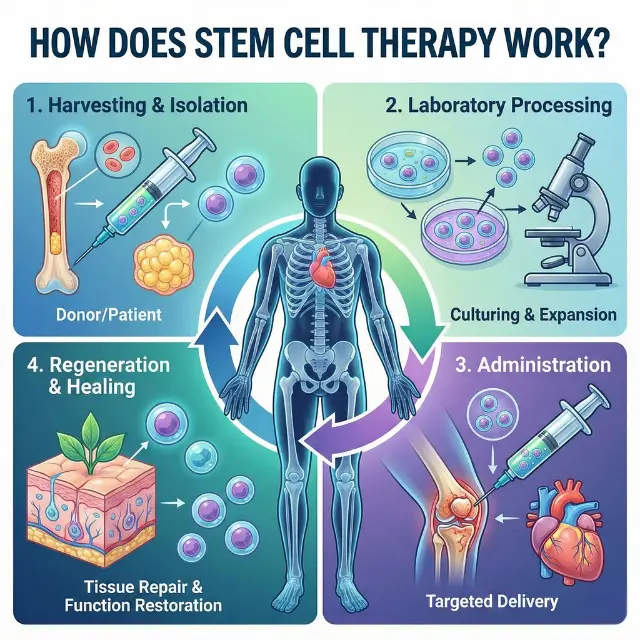
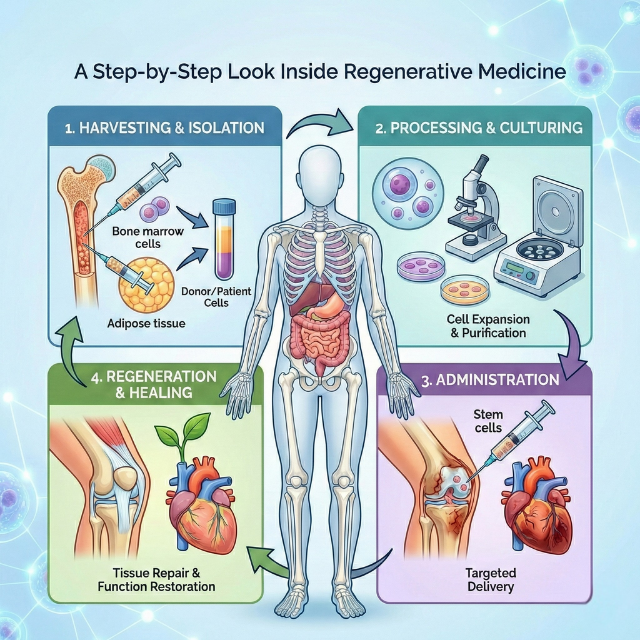
But how does this fascinating process actually work? Let’s explore step by step how stem cell therapy transforms science into healing.
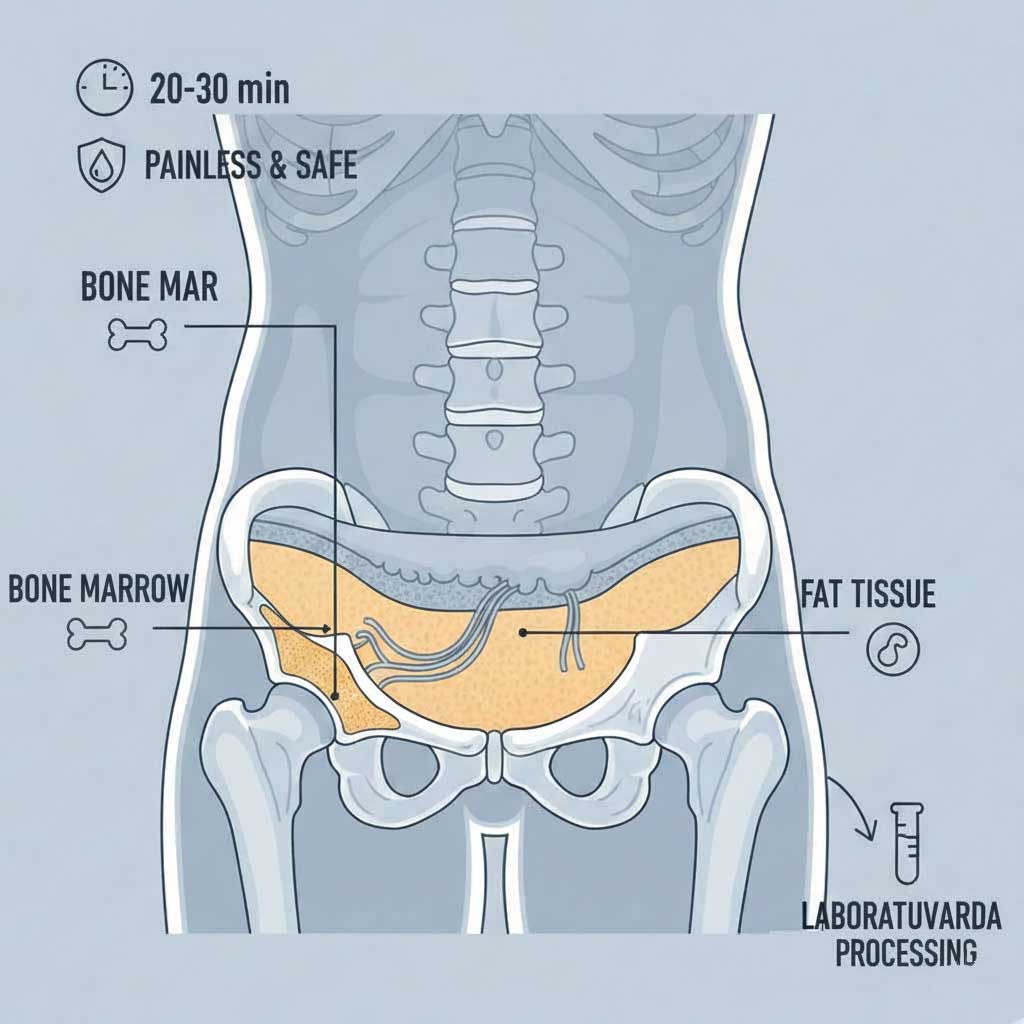
The first step in stem cell therapy is collecting the cells. In most adult treatments, these are Mesenchymal Stem Cells (MSCs) sourced from your own bone marrow or adipose (fat) tissue.
At Rumi Pulse Clinic, stem cells are usually collected from:
The procedure is performed under sedation or local anesthesia, ensuring no pain or discomfort. This step takes approximately 20–30 minutes.
Once collected, the sample is carefully sealed and transported to our in-house laboratory for processing.
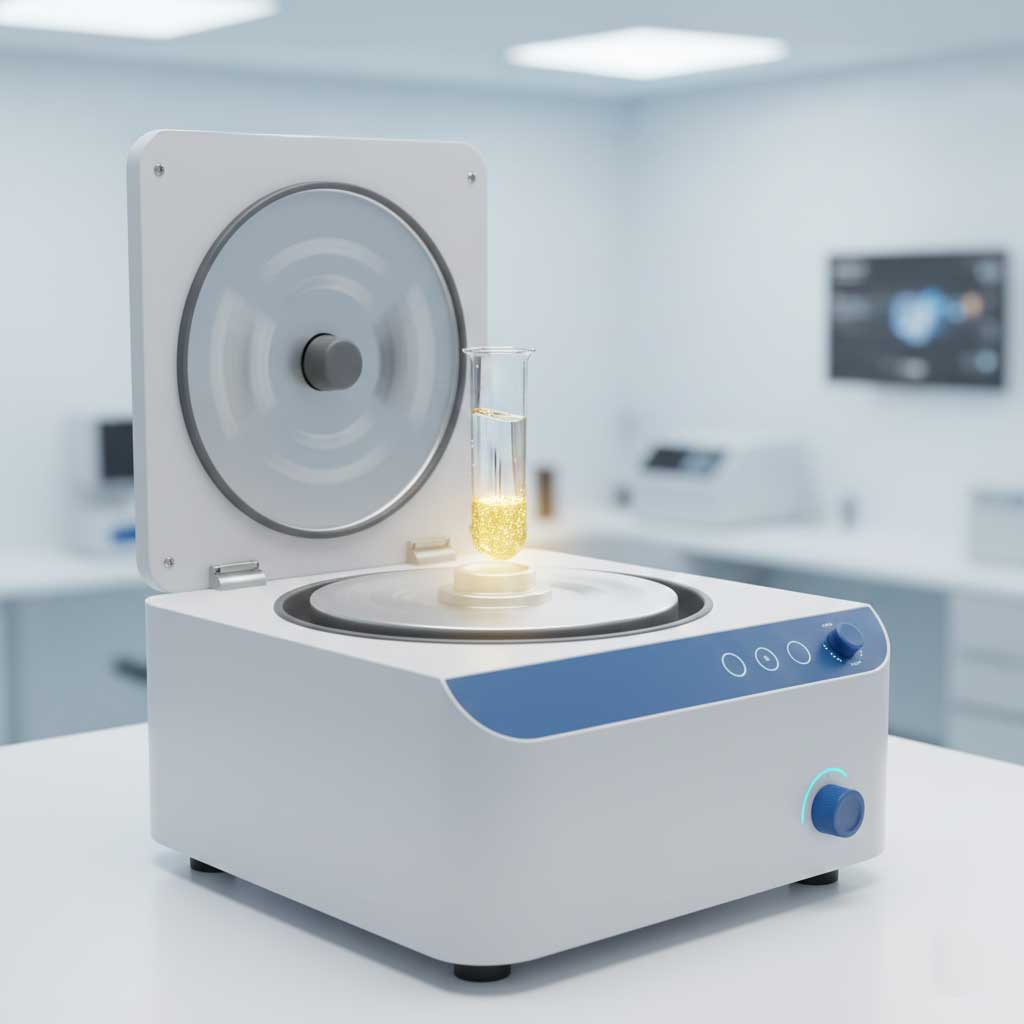
Once collected, the sample is placed in a high-speed centrifuge.
This machine separates the potent regenerative cells from other blood components.
Advanced labs now use precise filtration to ensure the highest concentration of live, "progenitor" cells for the stem cell therapy procedure.
Every patient’s condition is unique — so every stem cell therapy is personalized.
Once activated, your stem cells are reintroduced into the body through targeted applications determined by the medical team.
Depending on the condition, this may include:
At Rumi Pulse, our doctors use real-time medical imaging and sterile techniques to ensure precision and safety at every step.
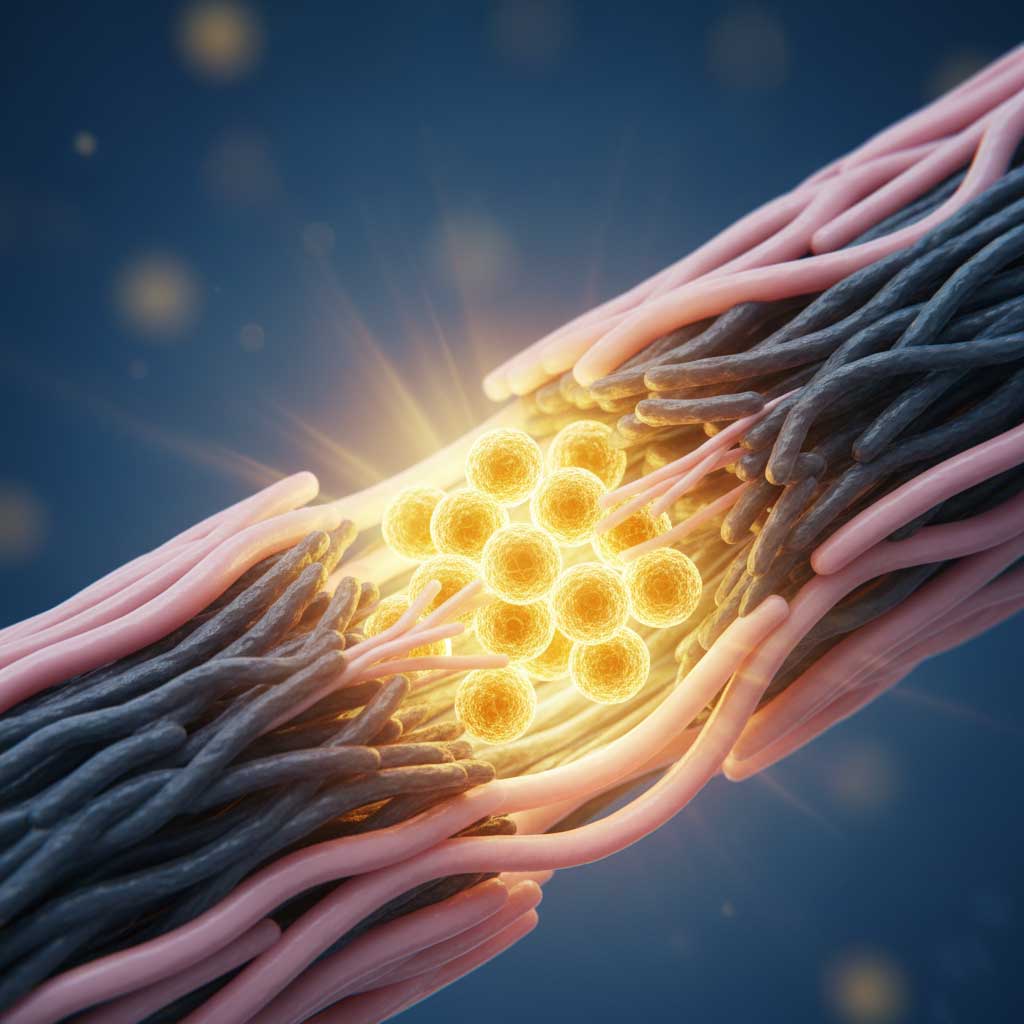
Once inside your body, the stem cells begin their most powerful task — repairing and regenerating.
They travel through the bloodstream, reach damaged or inflamed areas, and start:
Over the following weeks and months, patients often experience improved energy, mobility, and overall health — not because of a foreign drug, but thanks to their own cells’ intelligence.
Many patients seek stem cell therapy for its versatility.
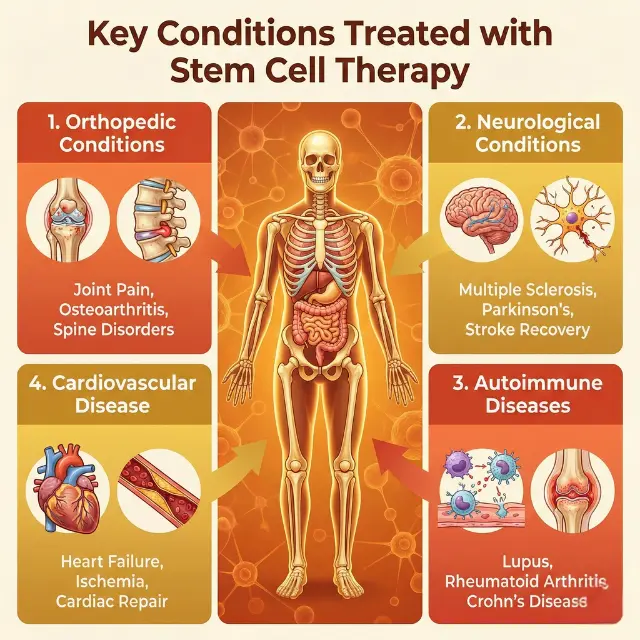
Here is a breakdown of the most common applications and their typical outcomes based on contemporary clinical observations:
| Condition | Primary Goal of Treatment | Estimated Success Rate |
| Knee Osteoarthritis | Cartilage repair & pain reduction | 75% - 85% |
| Hip & Shoulder Pain | Improved mobility & inflammation control | 70% - 80% |
| Degenerative Disc Disease | Spinal tissue restoration | 65% - 75% |
| Sports Injuries (Tears) | Accelerated ligament/tendon healing | 85% - 90% |
| Autoimmune Disorders | Systemic inflammation modulation | 60% - 70% |
A common point of confusion for patients is the difference between Platelet-Rich Plasma (PRP) and stem cell therapy.
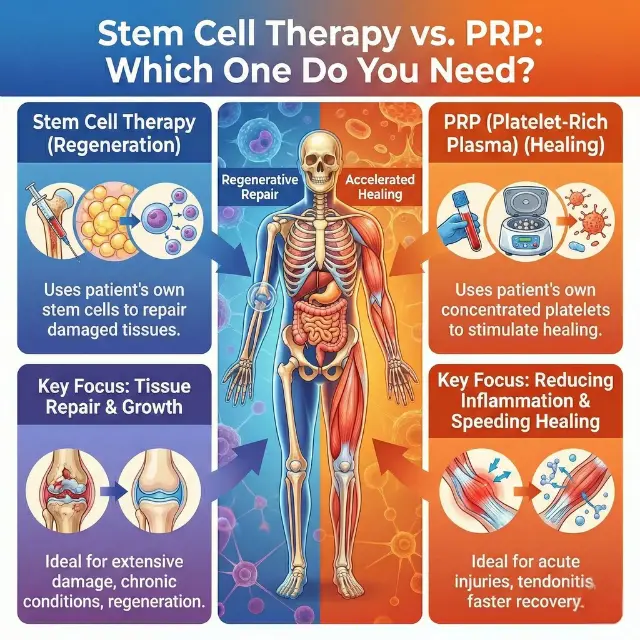
While both are regenerative, they serve different roles in the healing process.
| Feature | PRP Therapy | Stem Cell Therapy |
| Cell Source | Blood platelets | Bone marrow or fat tissue |
| Complexity | Simple blood draw | Minimally invasive extraction |
| Regenerative Power | Moderate (Signalling) | High (Tissue Rebuilding) |
| Best For | Mild-to-moderate injuries | Moderate-to-severe degeneration |
| Recovery Time | 24 - 48 hours | 3 - 7 days |
Since every patient's needs are unique, the investment for stem cell therapy is scaled based on the complexity of the procedure and the laboratory resources required.
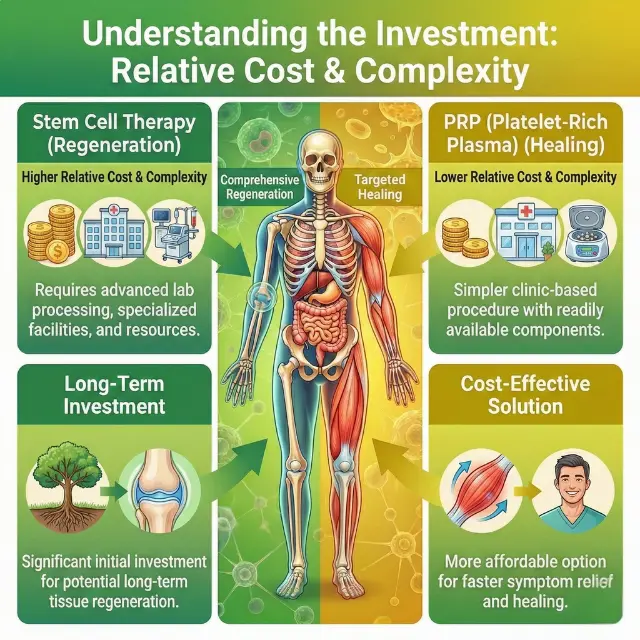
Below is a relative breakdown of how different stem cell therapy treatments compare in terms of resource intensity and total clinical investment.
| Treatment Type | Relative Investment Index | Complexity Level |
| Single Joint Injection (Knee/Hip) | 100% (Baseline) | Moderate |
| Stem Cell Hair Restoration | 85% - 95% | Low to Moderate |
| Spinal Stem Cell Procedure | 150% - 200% | High (Precision Imaging) |
| Systemic IV Therapy | 200% - 300%+ | Very High (Lab Intensive) |
At Rumi Pulse Clinic, we combine medical expertise, state-of-the-art laboratories, and personalized care to ensure outstanding results.
Our difference lies in:
Rumi Pulse is not just a clinic — it’s a place where science and compassion meet to regenerate, revive, and renew your health.
Stem cell therapy continues to prove its value as a viable alternative to invasive surgeries like total knee replacements or spinal fusions.
By understanding how stem cell therapy works, you can make an informed decision alongside your medical consultant.
The goal of modern stem cell therapy isn't just to mask pain, but to provide your body with the biological tools it needs to heal itself from the inside out.
Are you ready to explore how stem cell therapy could change your life?
Contact a specialist today for a personalized consultation.
If you’re ready to explore this life-changing journey, contact Rumi Pulse Clinic in Turkey and discover how your own cells can help you heal — naturally.