


BLOG
As we progress through 2026, the conversation around neurodevelopmental disorders has shifted toward regenerative solutions.
One of the most searched and debated topics is the application of stem cell therapy for Autism Spectrum Disorder (ASD). Parents and researchers alike are asking:
Does stem cell therapy really work for improving social communication and reducing repetitive behaviors?
Stem cell therapy is a form of regenerative medicine designed to repair damaged cells within the body by reducing inflammation and modulating the immune system.
The success of stem cell therapy lies in the unique ability of stem cells to differentiate into various cell types, such as muscle, bone, or cartilage.
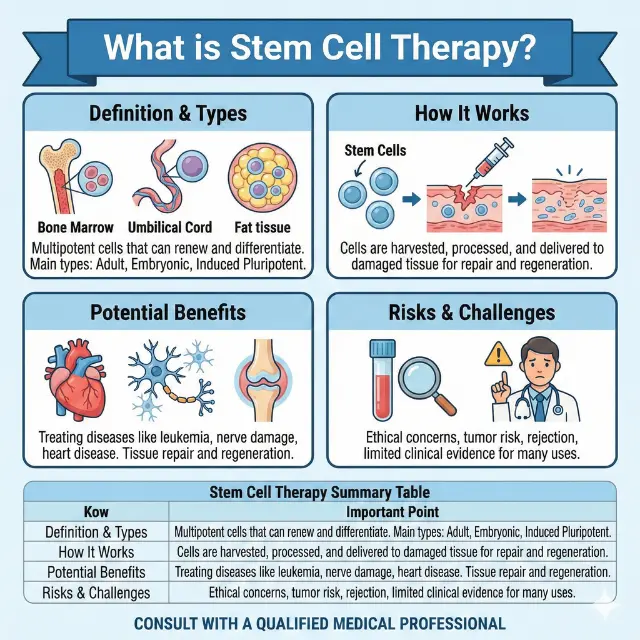
While the concept of stem cell therapy sounds like science fiction, it is rooted in biological reality.
By injecting concentrated stem cells into damaged areas, doctors aim to trigger the body's natural healing response more effectively than traditional surgery.
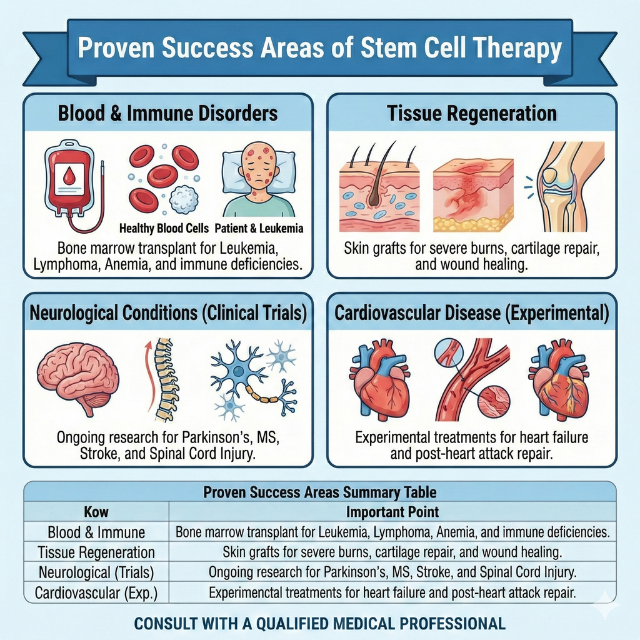
To answer whether stem cell therapy works, we must look at established medical protocols.
In many fields, stem cell therapy is not just an "alternative"—it is the gold standard.
| Condition | Efficacy Level | Typical Outcome of Stem Cell Therapy |
| Blood Disorders (Leukemia) | Very High | Full remission through bone marrow transplants. |
| Corneal Damage | High | Restoration of vision via limbal stem cell grafts. |
| Severe Burn Injuries | High | Regeneration of skin tissue and reduced scarring. |
| Orthopedic Injuries | Moderate to High | Reduced inflammation and significant pain relief. |
| Neurological Issues | Experimental | Ongoing trials showing promising neuroprotective effects. |
To understand if it works, we must first look at what stem cell therapy aims to do within the autistic brain.
Current research suggests that ASD is often associated with immune system dysregulation and neuro-inflammation.
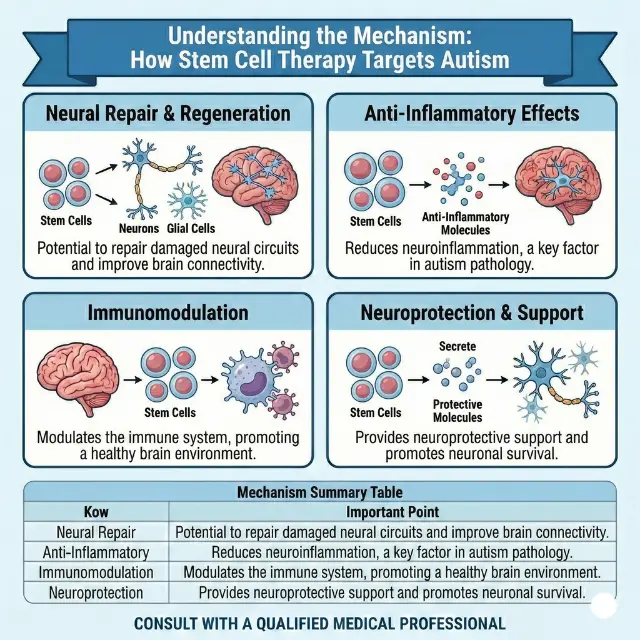
Stem cell therapy—particularly using mesenchymal stem cells (MSCs)—works by:
Because stem cell therapy addresses these underlying biological factors rather than just masking symptoms, it has become a focal point of modern regenerative protocols.
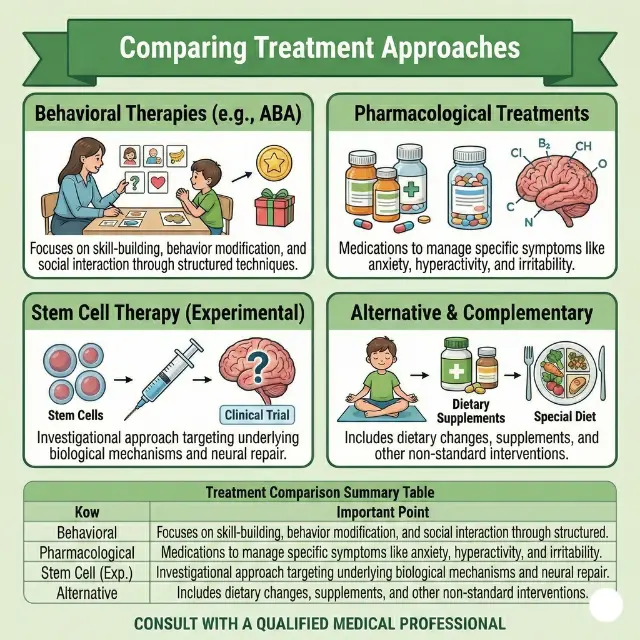
While traditional therapies like ABA (Applied Behavior Analysis) are essential, stem cell therapy offers a biological layer of support that was previously unavailable.
| Feature | Traditional Therapies (Speech/ABA) | Stem Cell Therapy |
| Primary Goal | Skill acquisition & behavior management | Biological repair & inflammation reduction |
| Mechanism | Learning and repetition | Cellular signaling & neuro-protection |
| Administration | Daily or weekly sessions | Periodic clinical infusions |
| Onset of Impact | Long-term (months/years) | Variable (often seen within 3-6 months) |
| Integration | Standard of care | Integrative regenerative approach |
More and more families are seeing stem cell therapy as a beacon of hope. However, one of the most frequently asked questions is: "Does it really work?"
The answer to this question depends on both scientific facts and the biological makeup of each individual. In this article, we explain in simple terms how stem cell therapy works, in which conditions it can be effective, and why results vary from one person to another.
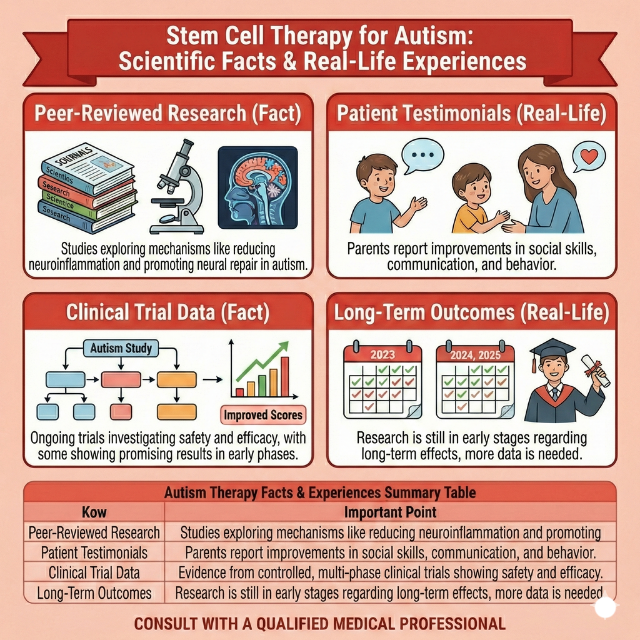
Stem cell therapy aims to activate the body's natural regenerative capacity. When autologous stem cells (cells from the person's own body) are used, the body does not recognize them as foreign material and initiates a natural repair process.
This application can support tissue repair, reduce inflammation, and stimulate cellular regeneration.
Every individual has a different genetic structure, immune system, and current health status. Factors such as age, the degree of autism, nutrition, gut health, and rehabilitation can directly impact the outcome.
Stem cells do not perform miracles — but under the right conditions, they can open a window of opportunity for development.
Scientific research points to the potential of stem cells, particularly in supporting neuronal connections and reducing inflammation. However, experts emphasize that this is not a “cure” but rather a supportive therapy. Therefore, proper expectation management is essential.
Some families report progress in their children, such as improved eye contact, longer attention spans, or increased speech, while others speak of slower changes.
These differences indicate that the process is completely individualized. We always say transparently: "Stem cells are not a miracle, but when combined with hope, they can make a difference."
Clinical trials and patient registries have provided significant insights into the efficacy of stem cell therapy.
Many specialized clinics report that stem cell therapy works best when integrated into a multidisciplinary plan.
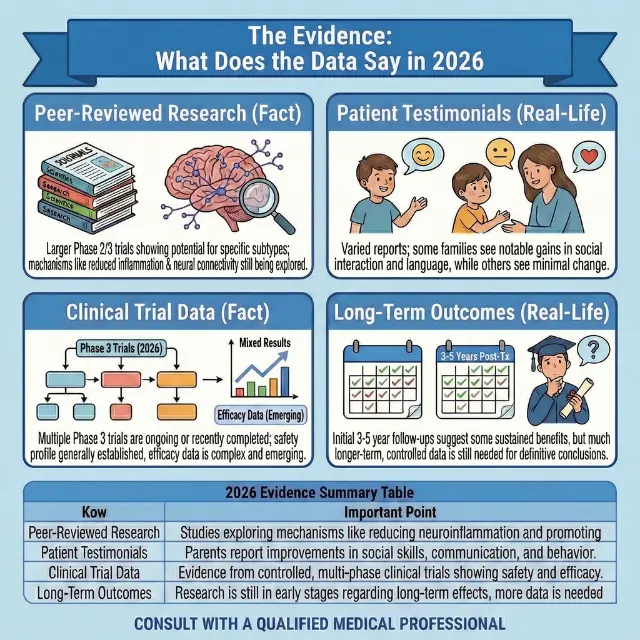
Key areas of improvement often reported after stem cell therapy include:
Safety is the most vital consideration for any family exploring stem cell therapy.
When performed by specialized medical teams using high-purity, laboratory-tested cells, stem cell therapy has shown a strong safety profile.
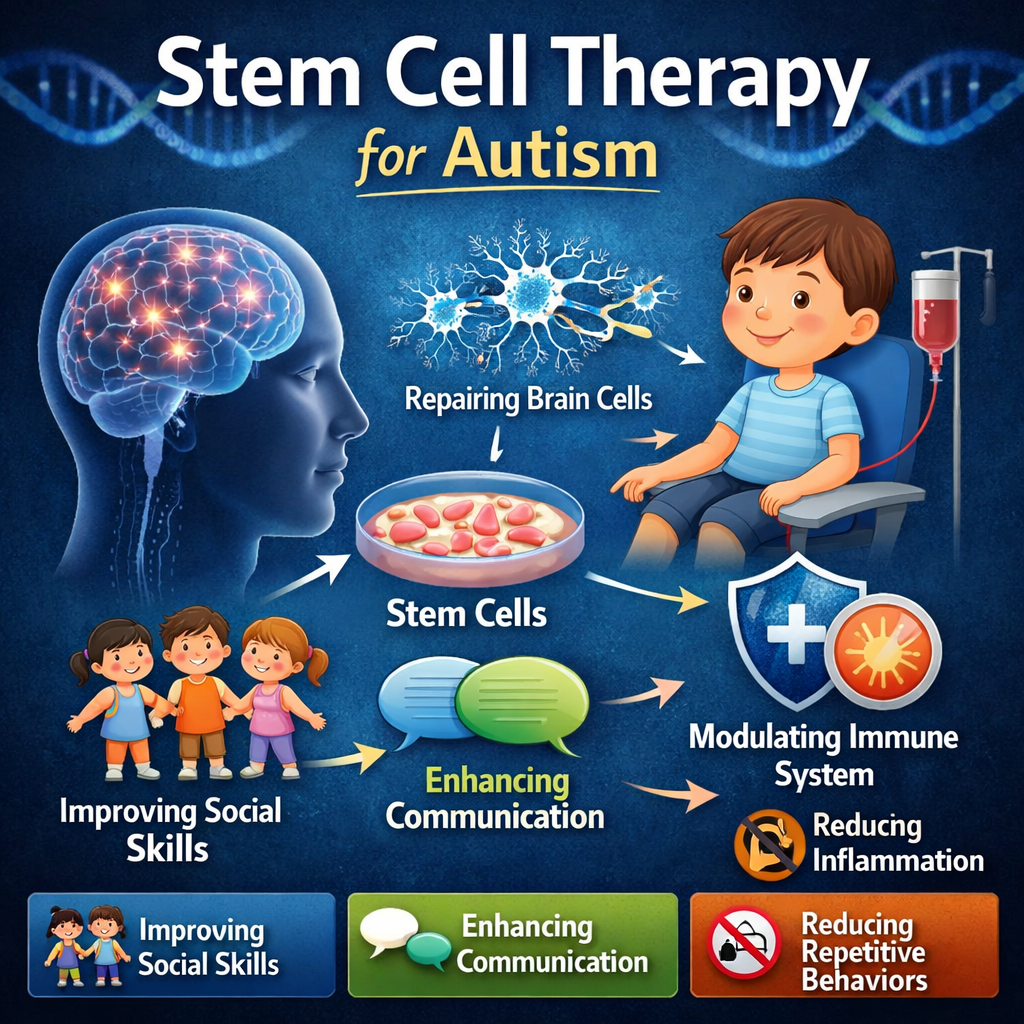
It is important to note that stem cell therapy is not a "cure," but rather a tool to improve the biological "environment" of the brain.
The success of stem cell therapy can vary based on several individual factors:
| Factor | Impact on Stem Cell Therapy Outcome |
| Age of Child | Earlier intervention often yields more plastic/responsive results. |
| Cell Quality | The potency and viability of the stem cells used. |
| Dosage Strategy | The frequency and concentration of the stem cell therapy infusions. |
| Follow-up Care | Continuing speech and occupational therapy after the procedure. |
For many families, the answer to "does stem cell therapy work for autism?" is a hopeful "yes."
While every child's biology is unique, the data in 2026 indicates that stem cell therapy can significantly reduce the internal "noise" of neuro-inflammation, allowing other therapies to be more effective.
By addressing the physiological roots of the condition, stem cell therapy is helping many children achieve milestones that were once thought out of reach.